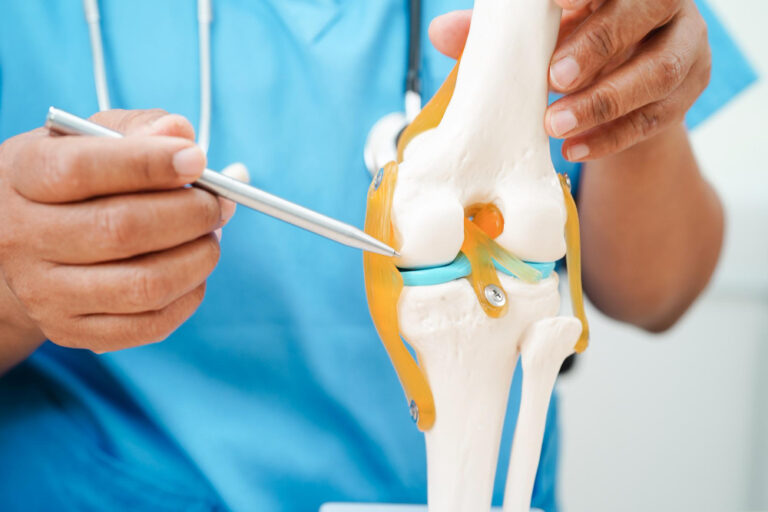
Osteoarthritis is the most common joint condition, especially affecting the knee. As cartilage wears away over time, it leads to chronic pain and reduced mobility. Since cartilage has no pain receptors, damage becomes noticeable only when the underlying bone is affected.
A cartilage transplant (cartilage cell or chondrocyte transplant) is an advanced surgical procedure where damaged cartilage is repaired using healthy cartilage cells taken from the patient’s own body.
Reduce knee pain
Restore weight-bearing and sports activity
Improve flexibility
Regenerate the cartilage layer
Prevent or delay joint replacement
Preserve natural knee function
Young individuals: Sports injuries, accidents, osteochondritis dissecans (OCD)
Older adults: Age-related joint degeneration
Acute injury: Pain, swelling, movement restriction, joint locking
Chronic degeneration: Persistent pain, stiffness, difficulty with daily activities
Immediate evaluation by an orthopedic surgeon is recommended.
X-ray: To check for fractures, arthritis, bone overgrowth, or bone defects
MRI: To assess cartilage defects and associated ligament or meniscus injuries
Cartilage injuries do not heal on their own due to poor blood supply. Untreated damage worsens over time and affects quality of life.
Treatment depends on age, activity level, and size/depth of the defect.
Young + active patients: Cartilage cell therapy
Older + low activity: Knee replacement may be considered
Stage 1: Arthroscopy + cartilage biopsy from a non-weight-bearing area; cells are sent to the lab for culture
Stage 2: After 4–6 weeks, arthroscopy + implantation of cultured cartilage cells using tissue adhesive
Rehabilitation begins immediately. Low-impact sports may resume around 3 months, as advised by the doctor.
Hospital stay: ~3 days
Crutches: ~8 weeks
Stationary cycling: 4–6 weeks
Swimming/Elliptical: 8–12 weeks
Light jogging: ~1 year
Light activity: 6–8 weeks
Full recovery: 3–6 months