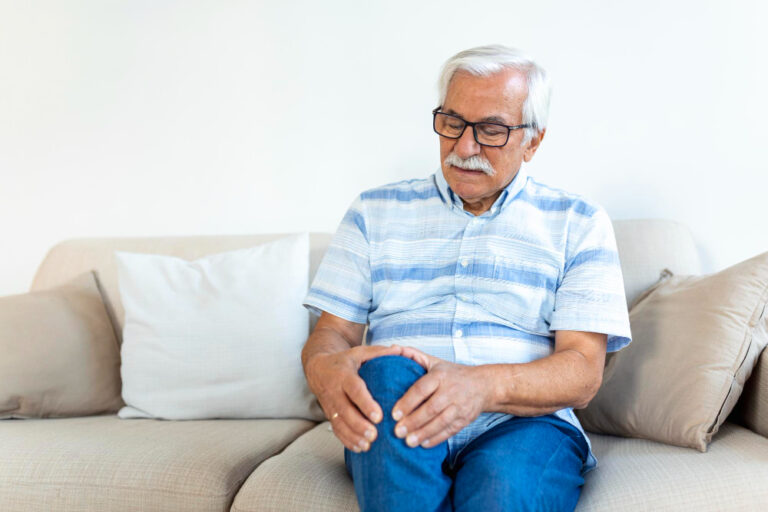
At L S Clinics (Advanced Ortho Care), Peerzadiguda, Hyderabad, we provide advanced non-surgical treatment options for Knee Osteoarthritis (OA)—a degenerative joint condition caused by wear and tear of knee cartilage.
Our goal is to reduce pain, improve joint function, and delay or avoid surgery through evidence-based, personalized treatment plans designed by Dr. Sai Prasad D V, an expert in joint care and sports orthopedics.
Knee OA occurs when the protective cartilage in the knee wears down due to aging, injury, obesity, or repetitive strain. This leads to:
Joint pain
Stiffness
Swelling
Reduced mobility
Difficulty walking or climbing stairs
Timely non-surgical treatment can significantly improve quality of life and prevent further degeneration.
No hospitalization required
Reduced pain and inflammation
Improved joint movement and flexibility
Strengthened supporting muscles
Delay or avoid knee replacement surgery
Safe for elderly patients
Tailored treatment based on severity
Pain-relievers, anti-inflammatory drugs, and supplements to reduce pain and joint stiffness.
Strengthening and flexibility exercises to stabilize the knee and improve mobility.
Weight management, posture correction, and activity optimization to reduce joint stress.
Viscosupplementation (Hyaluronic Acid) – improves lubrication
Platelet-Rich Plasma (PRP) – promotes healing
Steroid injections – reduces severe inflammation
Unloading braces help reduce pressure on the affected knee compartment.
Modifying daily activities to prevent pain flare-ups and protect joint health.
Pain reduction with medications and cold therapy
Start supervised physiotherapy to improve mobility
Light stretching and strengthening exercises
Avoid deep squatting, sitting cross-legged, and stair climbing
Regular physiotherapy for muscle strengthening
Improved walking tolerance and knee stability
Begin low-impact exercises like stationary cycling or swimming
Enhanced flexibility and reduced stiffness
Increased activity levels with minimal pain
Maintenance exercises for long-term knee health
“Avoid high-impact activities like running, jumping, and deep squats to prevent further knee degeneration.”