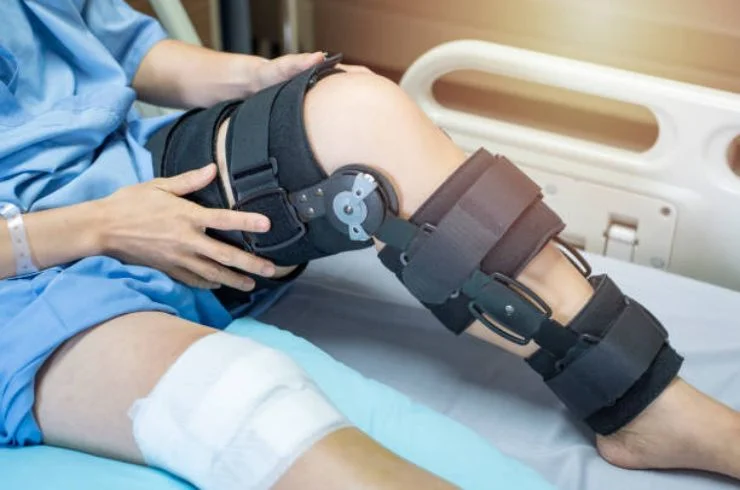
A Posterior Cruciate Ligament (PCL) injury occurs when the ligament at the back of the knee is overstretched or torn, usually due to road accidents, falls, or sports trauma. The PCL plays a vital role in stabilizing the knee, and injury can lead to pain, instability, difficulty bending the knee, and reduced athletic performance.
PCL injuries can range from mild sprains to complete tears. Early diagnosis and appropriate treatment are essential to restore knee strength, stability, and full functional movement.
Sports injuries (football, basketball, athletics)
Direct impact to the front of the knee
Two-wheeler or road traffic accidents
Sudden hyperflexion of the knee
Falls or twisting injuries
Pain and swelling in the knee
Difficulty walking or bending the knee
Knee instability or “giving way” sensation
Reduced ability to run, jump, or climb stairs
Stiffness and decreased range of motion
A detailed physical examination along with:
X-ray to rule out associated fractures
MRI scan to determine the extent of ligament injury and check for meniscal or cartilage damage
Treatment depends on the severity of the ligament injury, activity level, and overall knee stability.
Non-Surgical Management:
RICE Protocol (Rest, Ice, Compression, Elevation)
Knee brace for support
Anti-inflammatory medications
Physiotherapy for strengthening quadriceps, hamstrings, and improving knee stability
Surgical Management:
For complete PCL tears or combined ligament injuries (ACL/PCL/meniscus), reconstruction surgery may be recommended to restore full function, especially in athletes.
A structured rehab program focuses on:
Reducing pain and swelling
Restoring full knee motion
Strengthening quadriceps, hamstrings, and hip muscles
Improving balance and neuromuscular control
Gradual progression to sports-specific training
Low-impact activities begin gradually after healing and strengthening
Return to running usually begins around 3–4 months
High-impact sports may resume between 6–9 months depending on recovery, strength, and stability
Full return to competitive sports is guided strictly by the orthopedic surgeon and physiotherapist
Avoid returning to sports too early, as it increases the risk of re-injury. Follow rehabilitation protocols strictly, wear protective gear when advised, and progress only under professional supervision.