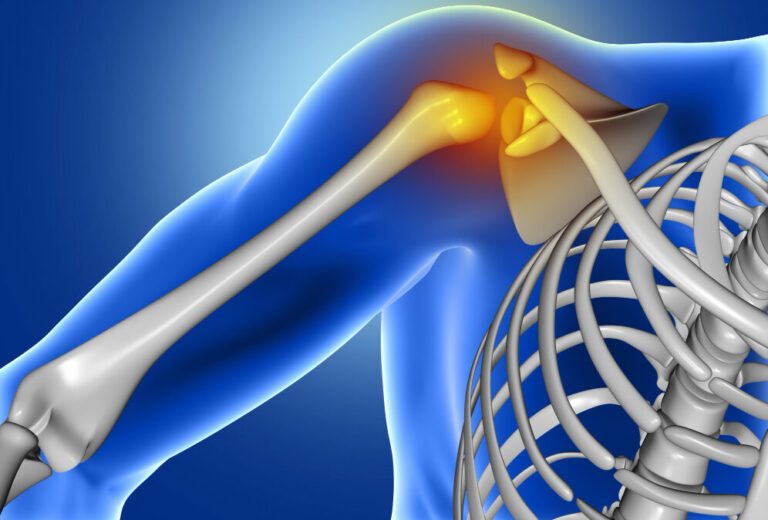
At LS Clinic, shoulder arthroscopy is a minimally invasive surgical procedure where a small camera, called an arthroscope, is used to examine or treat problems inside or around your shoulder joint. The arthroscope is inserted through a tiny incision, allowing the surgeon to view the joint on a video monitor.
The rotator cuff is a group of muscles and tendons that surround the shoulder joint. These help hold the arm in place and allow smooth movement in different directions. The tendons can tear due to injury or overuse, causing pain and limited mobility.
You will usually receive either general anesthesia, which makes you completely asleep and pain-free, or regional anesthesia, which numbs your arm and shoulder while keeping you relaxed and sleepy during surgery.
During shoulder arthroscopy, your surgeon will:
Insert the arthroscope through a small incision to view the shoulder tissues, including cartilage, bones, tendons, and ligaments.
Inspect the joint and surrounding areas for any damage.
Repair any damaged tissues. This may involve 1–3 additional small incisions to insert instruments for removing or repairing torn cartilage, tendons, or ligaments.
Multiple procedures can be performed in a single surgery depending on your shoulder condition.
Young individuals: Sports injuries or repeated shoulder dislocations
Older adults: Age-related joint degeneration or conditions like diabetes affecting the shoulder
Acute injuries: Pain, difficulty moving the shoulder
Chronic injuries: Pain, stiffness, or limited range of motion
Warm up and stretch before sports or physical activity
Maintain good posture and proper technique while playing
Control blood sugar if you have diabetes
Seek evaluation promptly for any shoulder pain or injury
Shoulder issues often require immediate medical attention. Consult an orthopedic surgeon for a thorough physical examination.
X-ray: To check for fractures, dislocations, arthritis, or bone defects
MRI scan: To identify problems like rotator cuff tears, labral injuries, or cartilage damage
Shoulder injuries such as labral tears, muscle tears, or dislocations rarely improve on their own. Without proper treatment, they can worsen over time, affecting your quality of life. Early intervention helps restore function and reduce pain.